It’s 11 p.m. A guest is asking about airport pickup on WhatsApp. A booking has just landed from an online travel platform, and a second one is waiting in your inbox. Tomorrow morning, someone on your team will still be matching M-Pesa payments to invoices by hand.
If you run a hotel, lodge, restaurant or tour company, this pattern probably feels familiar. Business automation in Nairobi for hospitality and tourism means handing these repetitive tasks to software, so your team can spend its time on the guests in front of them.
This guide explains what that looks like in practice, which processes to automate first, how to roll it out step by step, and how to decide between ready-made tools and a custom build.
What Is Business Automation in Hospitality and Tourism?
Business automation in hospitality and tourism is the use of software to run repeatable tasks, such as enquiries, bookings, payments, guest messages and reporting, with little or no manual effort. It connects the tools you already use so information moves between them on its own. Staff step in only when a human decision or a personal touch is needed.
Automation isn’t the same as replacing people. A front-desk agent who no longer retypes booking details can spend that time welcoming guests, solving problems and selling upgrades.
It also exists on a spectrum. At one end are simple rules, like sending a confirmation email after a booking. At the other are AI-powered workflows that read a guest’s message, understand the request and draft a reply or trigger the right action.
Why Nairobi’s Hospitality and Tourism Businesses Are Automating
Nairobi is a gateway for safari travel, a regional hub for conferences and business trips, and a city with a busy restaurant and events scene. That mix creates a few pressures that automation handles well:
Guests contact you everywhere. Enquiries arrive through WhatsApp, email, social media, phone calls and travel platforms.
Payments are mixed. Cards, bank transfers and mobile money all show up, often with references that don’t match your records.
Demand is uneven. Peak seasons and event weeks strain small teams, then quiet periods leave capacity unused.
Expectations are high. Travelers expect fast replies, clear confirmations and smooth check-in, whatever the hour.
Automation doesn’t remove these pressures. It makes them easier to manage without adding headcount at every busy spell.
Which Hospitality Processes Are Worth Automating?
The best processes to automate are repetitive, rule-based and high-volume: enquiry handling, booking confirmations, payment matching, pre-arrival messages, internal task assignment, review requests and reporting. Start where your team loses the most hours or where mistakes cost you money.
Area | Typical manual pain | What automation can do |
|---|---|---|
Enquiries and bookings | Copying details from several channels into one system | Capture requests automatically, check availability and send instant replies |
Guest messaging | Answering the same questions about rates, check-in and transfers | Send instant answers to common questions and route complex ones to staff |
Payments | Matching M-Pesa, card and bank payments to bookings | Reconcile payments to invoices and flag mismatches |
Pre-arrival and check-in | Chasing guests for arrival times and ID details | Send reminders, collect details online and brief the front desk |
Housekeeping and operations | Tasks passed along by phone or paper | Assign tasks by room status and track completion |
Tour quotes and itineraries | Building each quote from scratch | Generate quotes and itineraries from templates and live pricing |
Reviews and feedback | Remembering to ask, or asking too late | Request feedback at the right moment and alert you to low scores |
Reporting | Spreadsheets compiled by hand each week | Update occupancy, revenue and source reports automatically |
Guest enquiries and WhatsApp
For many Nairobi businesses, WhatsApp is the front desk. Automating the first response, with rates, availability, directions and booking links, means no guest waits until morning. Anything unusual, such as a group booking or a complaint, goes straight to a person.
Payments and reconciliation
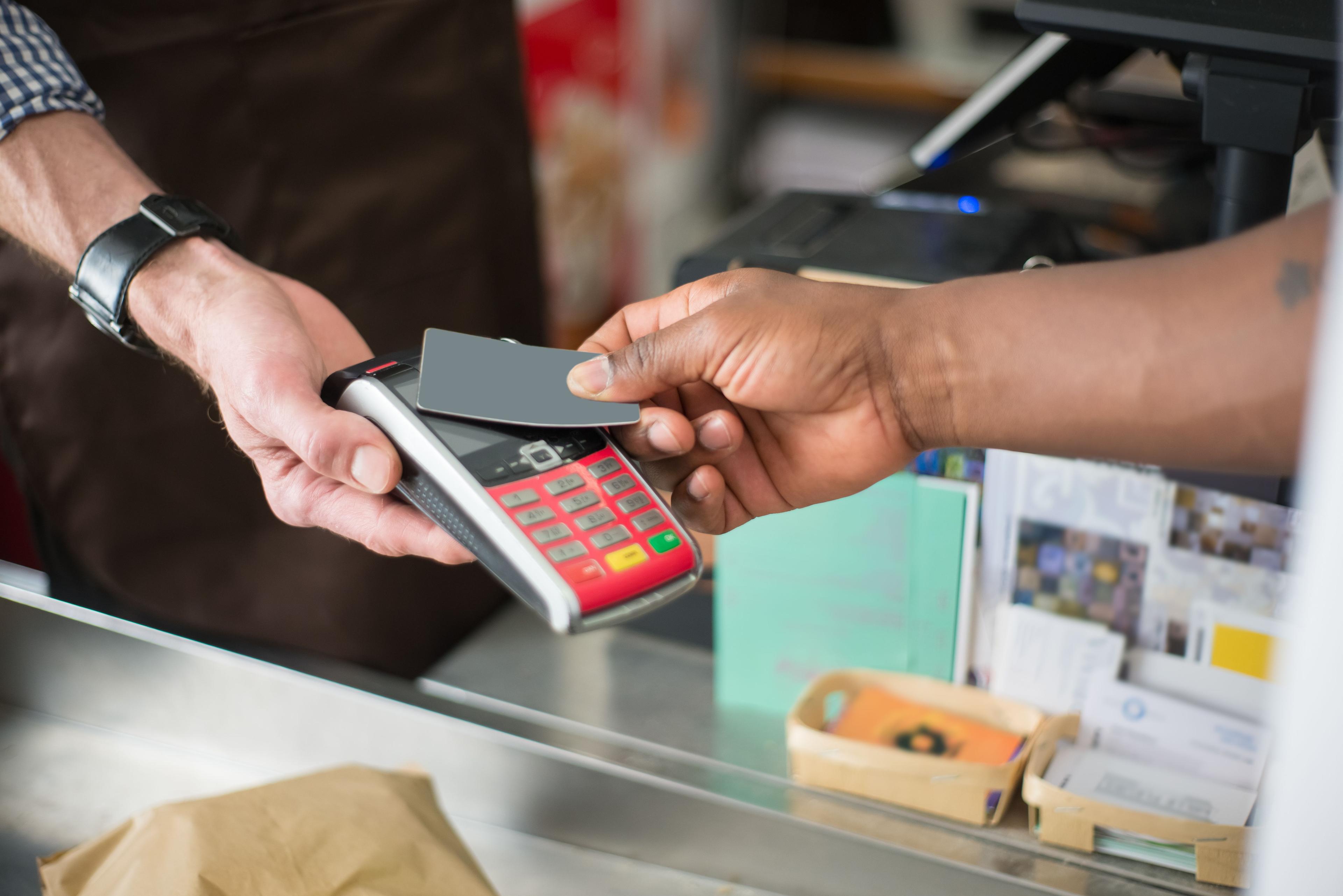
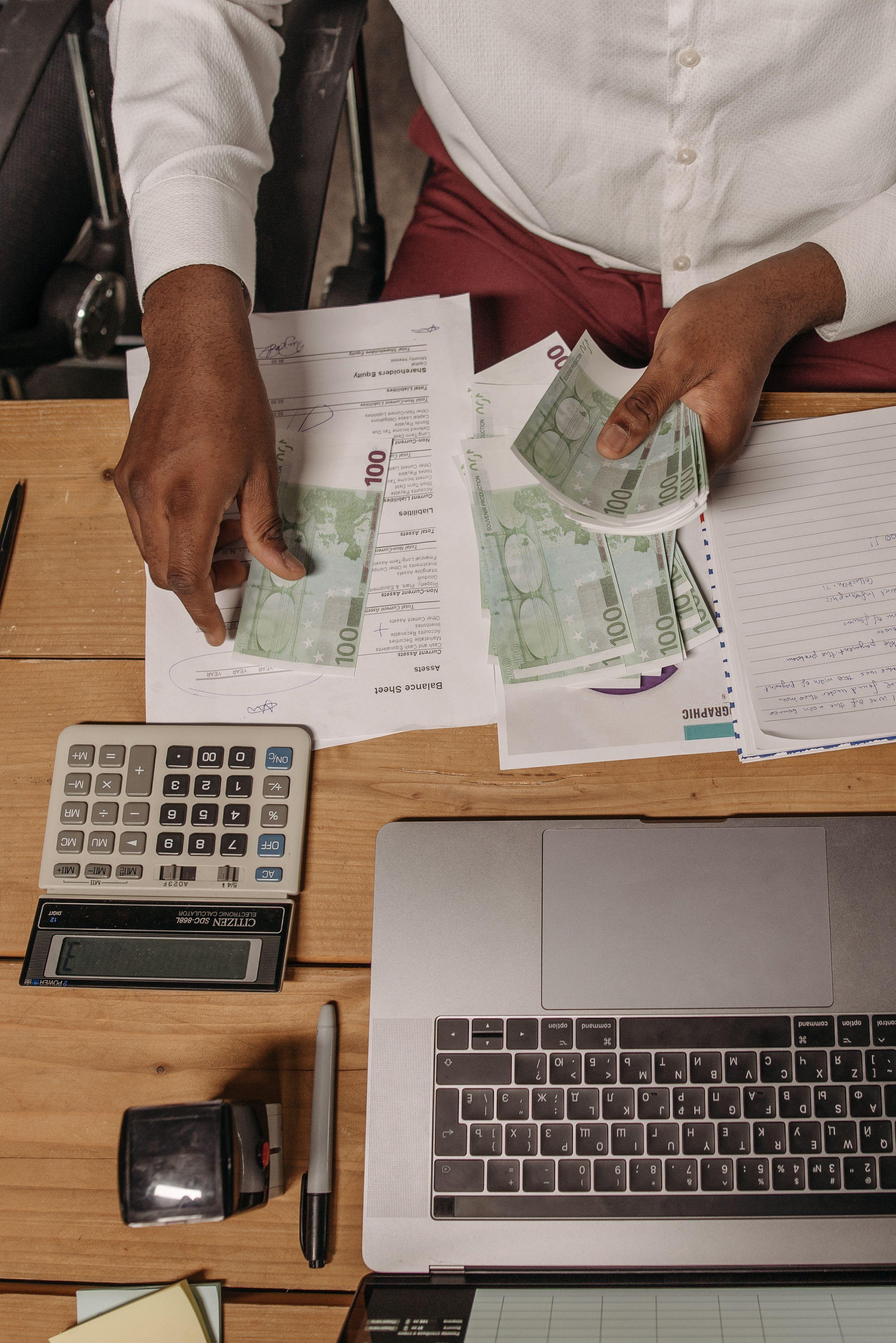
Kenya’s guests and corporate clients often pay through M-Pesa alongside cards and bank transfers. Automated reconciliation matches each payment to the right booking and flags the ones that don’t fit. That saves finance time and cuts the errors that cause awkward guest conversations.
Tour quotes and itineraries
Tour operators spend hours rebuilding similar quotes. A workflow that pulls from your itinerary templates, supplier rates and seasonal pricing can produce a draft in minutes, ready for a consultant to review and personalize.
How to Automate a Hospitality Business, Step by Step
To automate a hospitality business, map your current processes, pick one high-impact workflow, choose the right tools, test with a small group and then expand. Starting small keeps the risk low and shows results quickly.
Map your guest journey. List every step from first enquiry to post-stay follow-up, and note who does what and with which tool.
Find the bottlenecks. Look for steps that are repeated daily, delayed often or prone to error.
Pick one workflow. Choose a process that is frequent, simple and measurable, like enquiry replies or payment matching.
Define success. Decide what you’ll track, such as reply time, hours saved per week or the number of reconciliation errors.
Choose your approach. Compare ready-made tools with a custom build (see the next section).
Pilot, train and refine. Run it with a small team, gather feedback, fix the rough edges and only then roll it out wider.
For example: a 20-room guesthouse in Nairobi might start by automating pre-arrival messages. Guests receive a message three days before arrival asking for their flight time and any special requests. Replies update the booking and brief the front desk automatically. Within a few weeks, the team stops chasing guests by phone, and arrival days run more smoothly.
Off-the-Shelf Tools or Custom Automation?
Most businesses need a mix of both. Ready-made property management systems, channel managers and booking engines handle the standard jobs well. Custom automation fills the gaps between them, especially where your process is unusual.
Factor | Off-the-shelf tools | Custom automation |
|---|---|---|
Setup speed | Fast, often within days | Slower, depends on scope |
Cost pattern | Predictable subscriptions | Higher upfront cost, lower long-term waste |
Fit with your process | You adapt to the tool | The tool adapts to you |
Connecting systems | Limited to supported integrations | Can link almost any system with an API |
Best for | Standard tasks like bookings and invoicing | Unique workflows, local payment flows and AI-assisted tasks |
If your needs go beyond standard software, a specialist build can make sense. The Muze Studios designs and ships AI-powered software and intelligent automations for founders and business owners, which suits hospitality businesses that want their booking, messaging and payment tools to work as one system.
Common Automation Mistakes to Avoid
Automating a broken process. Fix the workflow first, then automate it. Otherwise you just make mistakes faster.
Trying to do everything at once. Start with one workflow and prove the value.
Removing the human touch. Guests still want a real person for complaints, special occasions and complex requests.
Ignoring your team. Staff who understand the benefit will use the system. Staff who don’t will work around it.
Skipping data protection. Guest details are personal data. Choose tools and partners that handle them carefully.
Not measuring results. Without a baseline, you can’t tell whether the automation is working.
When to Bring in a Specialist Partner
You can start many automations yourself with the tools you already have. A specialist becomes useful when your processes span several systems, when you want AI to handle guest conversations, or when your team doesn’t have the time to build and maintain the workflows.
A good partner begins with your goals, not a product pitch. They map your process, suggest the simplest solution and help you measure the result. If you’d like to talk through your own situation, you can contact The Muze Studios to discuss what a practical first project might look like.
Frequently Asked Questions
What is business automation for hotels and tour operators?
It’s the use of software to handle repeatable tasks such as bookings, guest messages, payments and reports. Staff focus on guest service and decisions while the system handles routine steps.
How much does business automation cost in Nairobi?
Costs vary widely. Subscription tools can start small, while custom builds depend on scope, integrations and complexity. The best way to control cost is to start with one clear workflow and expand once it pays for itself.
Can small guesthouses and lodges benefit from automation?
Yes. Small teams often benefit most because every hour saved matters. Simple automations like instant enquiry replies, booking confirmations and payment matching are practical starting points.
Will automation replace my staff?
No. Automation takes over repetitive tasks, not hospitality itself. Your team still handles the personal moments that guests remember, with more time to do it well.
Which process should I automate first?
Pick the one that costs you the most time or causes the most errors, usually guest enquiries or payment reconciliation. Choose a process that is frequent, rule-based and easy to measure so you can see results quickly.
Conclusion
Business automation in Nairobi for hospitality and tourism isn’t about adopting every new tool. It’s about finding the repetitive work that slows your team down and handing it to software, one workflow at a time.
Start by mapping the guest journey, choose one process with clear results, and measure what changes. When your needs outgrow standard tools, The Muze Studios can help you turn that plan into working automation, and you can start the conversation through the contact page.