If you run or manage an engineering firm in Sheffield, you probably know the feeling. A quote request sits in an inbox for two days. Inspection records live in three different spreadsheets. Your best engineers spend part of every week chasing paperwork instead of solving technical problems.
Business automation for Sheffield engineering firms is about fixing exactly that. This guide explains which processes to automate first, how to plan the work, and what to look for in a partner, so you can free up skilled people without disrupting the jobs that keep your contracts on track.
What Is Business Automation for Engineering Firms?
Business automation means using software to handle repetitive, rule-based tasks without manual effort. For engineering firms, that usually covers quoting, document control, purchasing, and reporting, so your team spends more time on engineering and less time on admin.
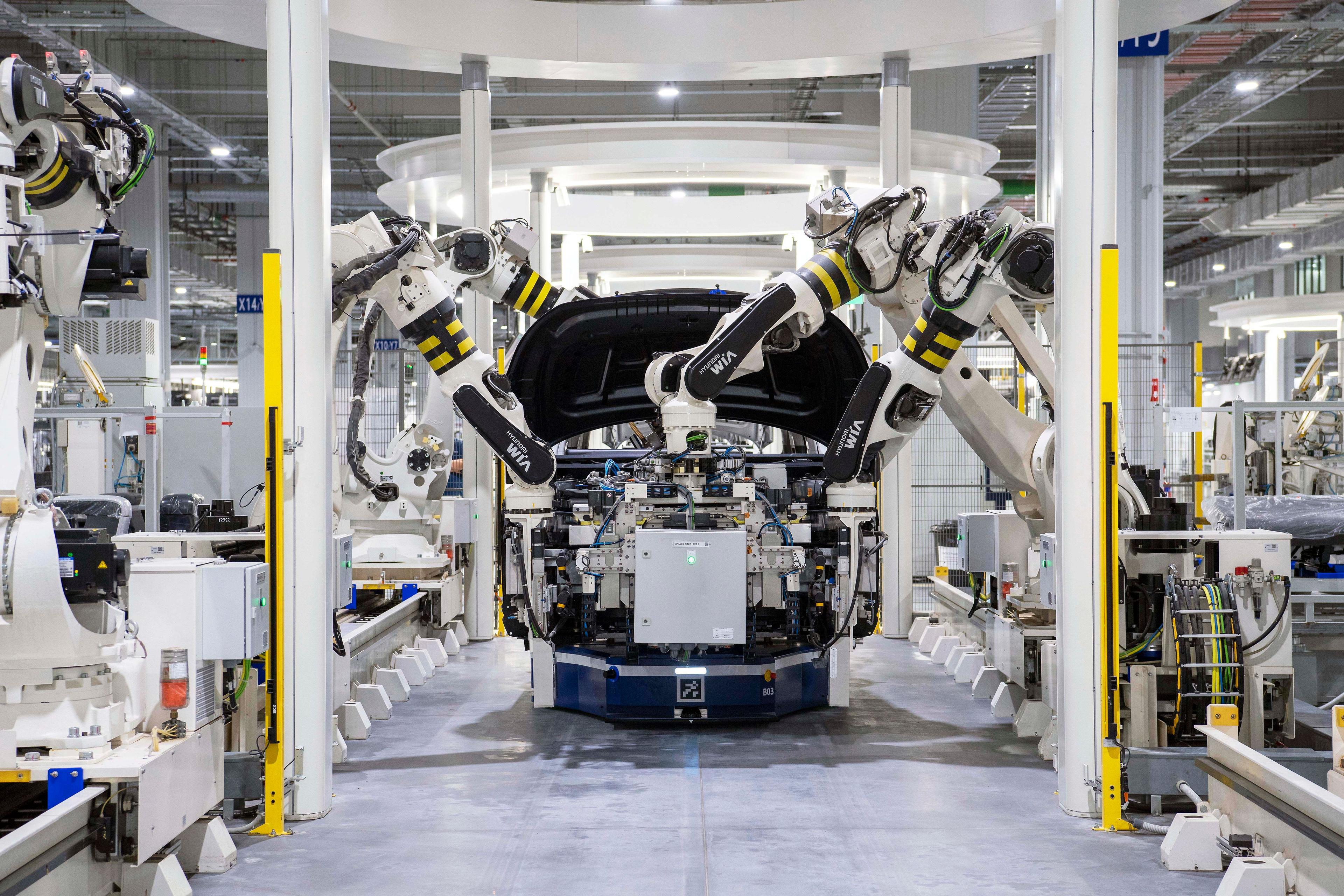
It isn’t the same as shop-floor automation. Robotics and CNC cells sit on the production side. Business automation sits around them, connecting the processes that move an order from enquiry to quote, purchase order, production, inspection, and invoice.
Typical building blocks include:
Workflow automation that routes tasks and approvals to the right person
System integrations that move data between your ERP, CRM, and accounting tools
Automated alerts for deadlines, expiring certificates, and overdue supplier deliveries
Live dashboards that replace manually built reports
Some firms also use robotic process automation (RPA), where software “bots” copy data between older systems that don’t integrate natively.
Why Sheffield Engineering Firms Are Prioritising Automation
Sheffield’s engineering base runs deep, from its steel heritage to advanced manufacturing work connected to the University of Sheffield’s Advanced Manufacturing Research Centre (AMRC) on the edge of the city region. Many local firms supply aerospace, energy, medical, and automotive customers.
Those supply chains bring pressures that general businesses rarely face:
Strict traceability and quality documentation, often tied to standards such as ISO 9001 or AS9100
High-mix, low-volume orders that make quoting hard to standardise
Tight lead times from customers who expect fast, accurate responses
Skills shortages that make every hour of engineer time on admin expensive
Manual processes cope when volumes are low. As you win larger or more complex contracts, they become the bottleneck.
Which Business Processes Should You Automate First?
Start with processes that are repetitive, high-volume, error-prone, and already follow clear rules. In most engineering firms, that means quote handling, document control, purchasing, and management reporting.
The table below shows where most firms see the quickest gains.
Process | Common problem | What automation does | Typical priority |
|---|---|---|---|
Quoting and estimating | Slow turnaround and inconsistent pricing | Logs enquiries, applies templates, and routes approvals automatically | High |
Document control | Version confusion and missing records | Routes documents for review, keeps approval history, flags expiry dates | High |
Purchasing | Manual purchase orders and missed deliveries | Raises POs from approved jobs and sends supplier reminders | Medium |
Production reporting | Data re-keyed into spreadsheets | Syncs data from your systems into live dashboards | Medium |
Invoicing | Late invoices and duplicate entry | Generates invoices from completed jobs and syncs with accounting | Medium |
Customer updates | Missed follow-ups | Logs enquiries and sends status updates automatically | Lower to start |
Quoting and estimating
For example: a firm receives a drawing package by email. Someone saves the files, copies the specifications into a spreadsheet, requests material prices, and waits for sign-off. Automation can log the enquiry, create the quote record, request approvals, and send the finished quote from a template.
Your engineers still make the technical judgements. The software handles the chasing.
Document control and compliance
Quality systems depend on current, approved documents. Automated workflows can send changes to the right reviewers, keep a full approval trail, and alert you before certifications or calibration records expire. That makes audit preparation far less painful.
How to Plan Business Automation in an Engineering Business
Map your current process, choose one high-impact workflow, run a small pilot, measure the result, and then expand. Trying to automate everything at once is the most common way these projects stall.
Map the process as it really works. Include the workarounds, not just the official procedure.
Find the pain points. Look for delays, errors, and repeated rework.
Pick one pilot workflow. Choose something with clear rules and visible benefits.
Review your systems. List your ERP, CRM, accounting, and quality tools, and check how they connect.
Involve the people who do the work. Estimators, planners, and admin staff know exactly where the process breaks.
Measure before and after. Track time per quote, error rates, or approval times.
Expand step by step. Use the pilot’s results to justify the next workflow.
Common Mistakes to Avoid
Automating a broken process. Fix the process first, or you’ll just make mistakes faster.
Choosing tools before defining needs. Start with the problem, not the software.
Ignoring data quality. Automation relies on clean, consistent data.
Skipping staff training. A system nobody trusts gets bypassed.
Overlooking security. Engineering firms often handle confidential designs and customer IP, so access controls and data handling matter from day one.
Build, Buy, or Partner: Which Route Suits Your Firm?
Once you know what to automate, you need to decide how. Each route has trade-offs.
Option | Best for | Strengths | Watch-outs |
|---|---|---|---|
Off-the-shelf software | Standard processes with common requirements | Quick to start and lower upfront cost | May not fit specialist workflows |
In-house build | Firms with a dedicated development team | Full control over how it works | Needs ongoing maintenance and scarce skills |
Specialist partner | Custom workflows and limited internal IT capacity | Tailored solution and faster delivery | Success depends on choosing the right partner |
What to look for in an automation partner
A willingness to understand your processes before proposing a solution
A clearly defined scope, timeline, and pricing structure
Experience connecting new tools with the systems you already use
Transparent approaches to security and data handling
Support after launch, not just delivery
Where The Muze Studios Fits
If you’ve identified the workflows worth automating but lack the time or in-house capability to build them, a technology partner can help you move from plan to working system.
The Muze Studios is a software and technology team that helps businesses streamline and scale their processes through technology. For an engineering firm, that can mean turning a manual workflow, such as quote handling or approval routing, into a system your team actually uses.
A sensible first step is a conversation about one workflow. You can contact The Muze Studios team to talk through what you’d like to improve and whether automation is the right fix.
Frequently Asked Questions
What is business automation for engineering firms?
It’s the use of software to handle repetitive administrative tasks such as quoting, document control, purchasing, and reporting. It frees engineers and office staff to focus on technical and customer-facing work.
Which engineering processes are easiest to automate first?
Quoting, document approvals, and purchasing workflows are usually good starting points. They’re repetitive, follow clear rules, and cause visible delays when handled manually.
How much does business automation cost for an engineering company?
Cost depends on scope, the number of systems involved, and whether you use off-the-shelf tools or custom development. A single-workflow pilot costs far less than a company-wide programme, which is why most firms start small and scale from the results.
How long does it take to see results from business automation?
A focused pilot can often show measurable improvements within weeks to a few months. The timeline depends on process complexity and how clean your existing data is.
Will business automation replace engineers or office staff?
No. Business automation targets repetitive admin work, not engineering judgement. Most firms use it to handle growth without adding the same amount of manual workload.
Conclusion
Business automation works best in engineering firms when it’s targeted. Pick a repetitive, rule-based process, pilot it, measure the gains, and build from there. That approach protects your quality standards while giving your team time back.
If you’re ready to look at where automation could help your Sheffield engineering business, get in touch with The Muze Studios to discuss your first workflow.