South Africa's tech landscape is transforming rapidly in 2025, and artificial intelligence (AI) is at the forefront of this digital revolution. For software developers seeking to innovate, scale solutions, and attract partnerships or top talent, understanding and leveraging the right AI tech stack is crucial. This comprehensive guide, optimized for the keyword "AI tools South Africa", outlines essential concepts, leading tools, and actionable strategies for both early-stage developers and established tech teams.
Why Focus on AI Tools in South Africa?
South African businesses confront unique challenges—load shedding, cost pressures, and talent scarcity—making automation and digital efficiency more urgent than ever. AI addresses these hurdles by optimizing workflows, reducing operational costs, and opening new doors for creativity and growth. From Johannesburg's fintech startups to Cape Town's creative agencies, adopting the right AI stack enables you to:
Achieve rapid MVP development (as seen with Muze Studios' 6-week MVP turnaround)
Automate resource-intensive processes
Unlock new revenue streams and business models
Future-proof careers and product roadmaps
Understanding the AI Tech Stack: The Four Pillars
The AI tech stack refers to the combination of hardware, software, frameworks, and tools needed to build, scale, and deploy AI-powered applications. It resembles traditional software stacks, but with specialized components for data, model management, and intelligent automation.
Layer | Description | Typical Tools & Frameworks |
Application Layer | User-facing apps, APIs, frontends that interact with AI models | React, Angular, REST APIs, Chatbots |
Model Layer | Development, training, and optimization of AI/ML models | TensorFlow, PyTorch, Keras, Hugging Face |
Data Layer | Data ingestion, storage, cleaning, labeling, and management | SQL/NoSQL DBs, Data Lakes, ETL pipelines |
Infrastructure | Underlying hardware: GPU/TPU servers, cloud infrastructure, orchestration for scale and deployment | AWS, Azure, GCP, Kubernetes, Docker |
Core AI Tools for South African Developers
Coding and Software Development
GitHub Copilot: AI-powered code completion and generation for Python, JavaScript, and more. Accelerates full-stack development and reduces manual errors.
Tabnine: Privacy-focused coding assistant that integrates with major IDEs, ideal for teams concerned about code security.
Aider: AI pair programming in your terminal for both new and existing codebases. Particularly helpful when collaborating on distributed teams or open source.
Snyk: Provides real-time vulnerability detection and secure coding suggestions, supporting robust DevSecOps pipelines.
No-Code & Low-Code AI
Proto, Gotbot, Botlhale AI: Local South African chatbot builders with multilingual support—excellent for rapidly deploying customer service solutions.
FCB.ai & hi.guru: Specialized platforms supporting WhatsApp integration, multi-channel customer engagement, and live agent hand-offs—crucial in a market where WhatsApp is dominant.
Cloud and Hosting: Going Global, Staying Local
Sage AI: Automates finance functions (invoice processing, performance analytics) with a focus on small businesses in South Africa.
AWS Sagemaker / Google Vertex AI: Full-stack ML platforms for building, training, and deploying models with integrated MLOps features.
Azure AI Services: Particularly strong for enterprise-grade deployments and industries requiring high compliance.
Project & Workflow Automation
Trello (with Butler automation): Visual project management that integrates with AI features for smart suggestions and reporting.
Asana: Offers workload management, automatic reporting, and enhanced collaboration for distributed tech teams.
Generative AI & Content Creation
Jasper: Powerful AI copywriting for content generation, blog writing, and SEO optimization.
Canva (AI-powered): Design graphics, ads, and marketing materials with features like Magic Resize, layout suggestions, and text-to-image conversion—ideal for startups needing quality visuals fast.
Notion AI: Combine documentation, roadmap planning, and knowledge management with integrated generative AI for an all-in-one team workspace.
Industry-Specific AI Applications in South Africa
Retail
AI-driven inventory optimization has cut shrinkage by 30% for Gauteng chains.
Manufacturing
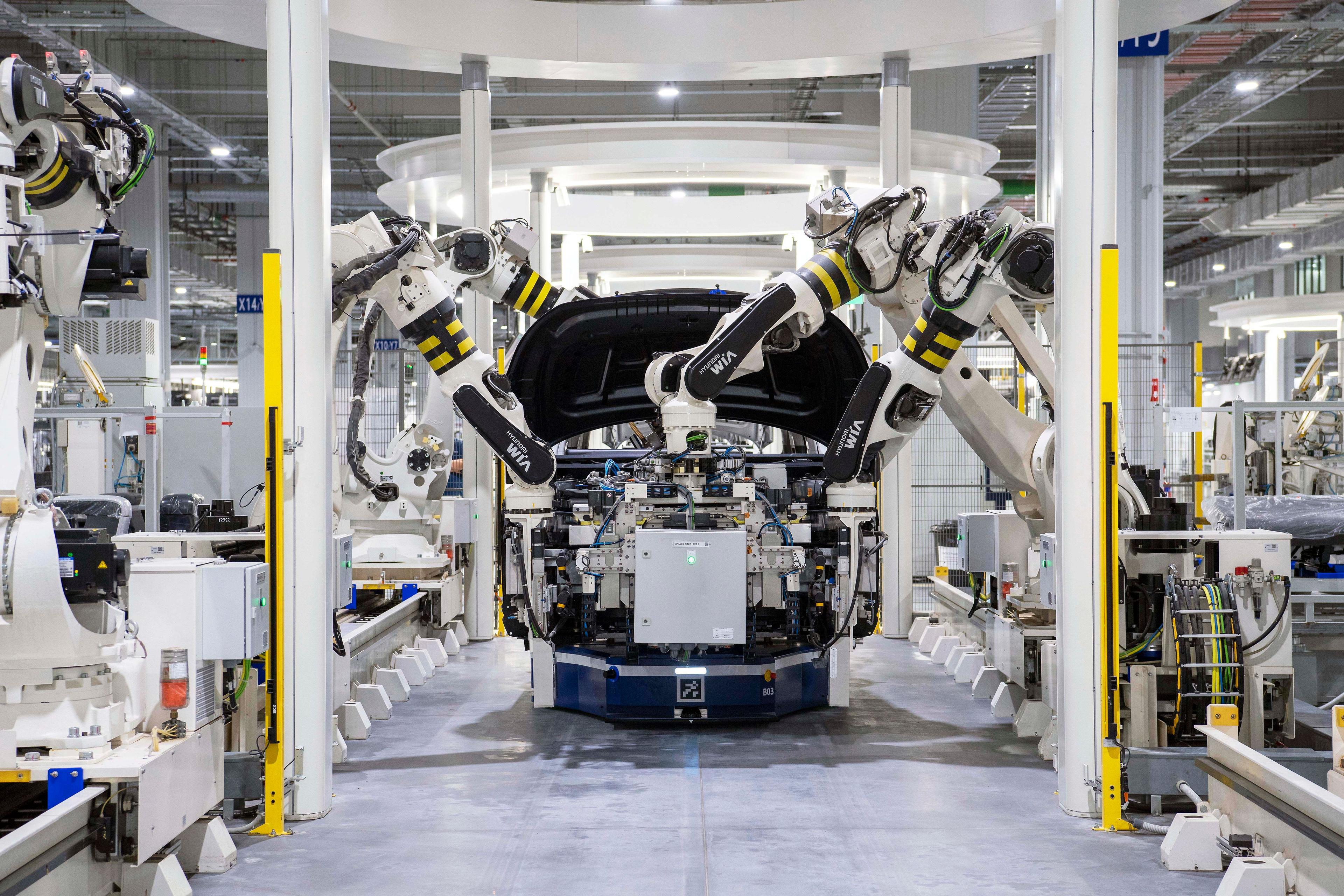
Predictive maintenance and intelligent scheduling reduce downtime and increase throughput.
Agriculture
Drones and smart irrigation powered by AI provide real-time crop monitoring and yield forecasting.
Healthcare
AI chatbots assist in patient scheduling, triage, and basic diagnostic support, improving accessibility and reducing bottlenecks.
Legal & Public Sector
Lexis+ is a leading AI-powered legal research platform tailored for South African law, streamlining casework and research.
National and provincial governments deploy AI chatbots to improve citizen engagement in processes such as registrations and document retrieval.
Local AI Companies and Startups to Watch
Muze Studios: Specialists in building SaaS and AI-driven products for startups. Their rapid 6-week MVP delivery and successful track record with 10+ companies make them valuable partners for ambitious founders in South Africa.
Lelapa AI: Focuses on language technology and local linguistic datasets, making AI more accessible to the region.
GotBot: Delivers end-to-end chatbot and conversational AI solutions, well integrated with popular African messaging channels.
Building Your AI Tech Stack: A Step-by-Step Guide
1. Define Your Business Goals Start by identifying clear use cases (automation, personalization, analytics, etc.).
2. Select the Application and Model Frameworks Choose based on skillset (PyTorch for research, TensorFlow for production, or platform-specific SDKs like LangChain for agent workflows).
3. Integrate Data Management Tools Use modern ETL tools to ingest and clean local and external datasets; leverage cloud storage with compliance for local data sovereignty if needed.
4. Build and Train Models Locally, Test in the Cloud Balance on-premise (using laptops/desktops with GPUs) and cloud-based environments as costs and capabilities dictate.
5. Automate Deployments and Monitor Models Implement MLOps best practices—use Kubernetes and Docker for deployment, set up continuous monitoring, and audit model drift over time.
6. Secure Your Stack Incorporate security tools like Snyk and regular audits, especially when handling sensitive financial, health, or legal data.
Trends & Partnerships: The Future of AI Tools in South Africa
Increasing local support: More AI providers now offer African language support, local cloud zones, and custom solutions for region-specific business needs.
Growth in partnerships: Startups, government, and enterprise collaborations (such as Muze Studios’ approach of co-building with clients) foster innovation and talent attraction.
Talent magnetism: Building on bleeding-edge stacks and open-source contributions appeals to both local developers and global talent pools.
Tips for Attracting Partnerships and Top Talent
Showcase your stack: Publicly document your AI tool selections, open-source initiatives, and project successes on GitHub, company blogs, and at regional tech meetups.
Promote rapid prototyping: Emphasize quick MVP cycles (such as 6-week launches) to demonstrate agility and discipline—a key consideration for partners and VCs.
Nurture a learning culture: Invest in ongoing AI skills development (meetups, hackathons, internal workshops) to keep your team at the cutting edge.
The explosion of AI tools in South Africa creates unmatched opportunities for software developers, startups, and investors. By carefully designing your AI tech stack—from user-facing apps to robust MLOps pipelines—and tapping into both global and locally developed platforms, you’ll future-proof your business, address South Africa's distinctive market dynamics, and become a magnet for top partnerships and talent.
Whether you’re building an MVP with a partner like Muze Studios or optimizing customer engagement via smart chatbots, South Africa’s AI ecosystem is ready—are you?
This guide serves as a resource for the next generation of innovators, code crafters, and visionaries defining South Africa's digital future, empowering you to harness the best AI tools and build products that matter.