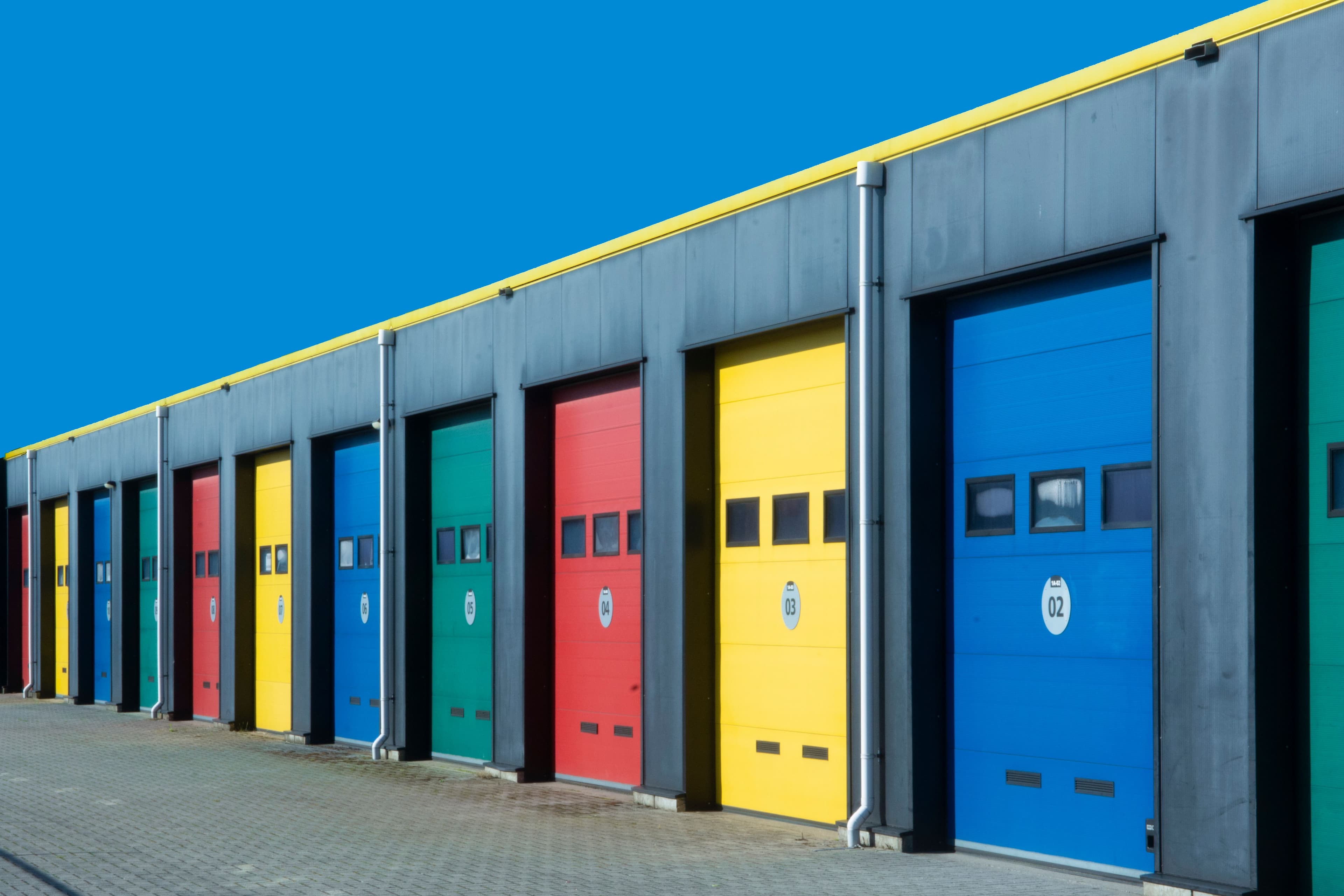
If you run a logistics or warehousing operation in Bristol, you are under pressure from every direction.
Customers expect next‑day or same‑day delivery. Labour is tight and expensive. Space is constrained. And every mis‑pick, delay, or stock‑out eats directly into already thin margins.
At the same time, warehouse and logistics automation is moving from “nice to have” to “industry standard.” Over half of UK fulfilment centres are expected to use AI in their operations by the middle of this decade, rising towards 70% by 2027. AI‑powered forecasting and planning can cut inventory levels by 20–30% while improving service levels.
Muze Studios builds custom AI automation systems for SME logistics and warehouse operators. This page explains what we automate for Bristol‑based operations, why it works, and how to get started.
The real bottlenecks in Bristol logistics
Most operators we speak to are not short of software. You already have a WMS, spreadsheets, maybe route‑planning tools. The actual problems live in the gaps between those systems and the people trying to keep everything moving.
Common patterns:
Inventory data in multiple systems that never quite match.
Inbound and outbound email chaos — ETAs, booking slots, delivery changes, claims — all hitting the same inbox.
Manual decision‑making on which orders to pick next when capacity is limited.
Firefighting when stockouts or receiving delays ripple across the day.
Reporting that takes hours each week because data has to be exported, cleaned, and stitched together.
Meanwhile, UK research shows logistics and warehouse automation is rapidly becoming accessible to SMEs through AI and Robotics‑as‑a‑Service, not just big 3PLs. AI and machine learning sit on top of your existing systems to drive better forecasting, slotting, and execution — without a full rip‑and‑replace.
That is exactly where Muze operates.
What Muze Studios automates for logistics and warehousing
We focus on workflows that directly influence throughput, service levels, and cost per order.
1. Demand forecasting and inventory planning
AI‑powered forecasting can reduce inventory levels by 20–30% while improving fill rates, especially in fast‑moving or seasonal categories. For a Bristol warehouse serving multiple clients or channels, that means less working capital tied up in slow movers and fewer emergency shipments due to stockouts.
Muze builds forecasting models that:
Pull order history and seasonality patterns from your WMS/ERP.
Generate SKU‑level demand predictions.
Propose purchase and replenishment plans you can review and approve.
Surface risk SKUs (high volatility, supplier constraints) for human attention.
Result: Fewer stockouts, lower inventory holding, and more predictable purchasing.
2. Intelligent wave planning and pick‑path optimisation
Many warehouses still rely on static rules or manual judgement to decide what to pick next. AI‑assisted planning uses order profiles, carrier cut‑offs, and real‑time workload to optimise which orders go into each wave.
We build workflows that:
Group orders dynamically based on carrier, promised delivery date, and zone.
Suggest optimal pick waves that minimise travel and meet SLAs.
Feed instructions into your existing WMS or pick lists.
Result: Higher picks per hour with the same team, fewer last‑minute scrambles to hit cut‑offs.
3. Dock, receiving, and put‑away automation
Dock congestion and mis‑prioritised receiving can quietly wreck a day’s plan. AI‑driven receiving workflows help you:
Prioritise inbound loads based on downstream order demand.
Flag incoming SKUs that are already at risk of stockout.
Generate optimised put‑away suggestions (location, zone, or bin).
This uses the same pattern we apply in our custom AI automations for lead generation — just pointed at inbound stock rather than inbound leads.
Result: Faster turnaround at the dock and stock that hits pick locations before it becomes a problem.
4. Email and document routing
Logistics is drowning in email — ASNs, booking requests, delivery confirmations, PODs, claims, customs documents.
We build AI document and email routers that:
Read inbound messages (including PDFs and scans).
Classify them (ASN, claim, delivery query, schedule change).
Extract key data (references, dates, quantities) and push it into your systems.
Route each item to the right person or queue automatically.
UK SME studies show that automating document processing can cut manual handling time by up to 45%, freeing staff to focus on exceptions.
Result: Less time in inboxes, fewer lost emails, cleaner data for operations and finance.
Why this is not just another WMS
We do not sell a WMS or a generic “logistics platform.” If your current WMS meets your needs, keep it.
Muze builds the AI and automation layer that:
Sits on top of your existing systems.
Connects your WMS, TMS, spreadsheets, and email.
Automates decisions and handoffs that today require manual effort.
It is the same integration‑first approach we use in our AI automation for UK accountancy firms: keep what works, and automate the gaps around it
How a project works with Muze
Week 1–2: Workflow audit We map one high‑impact workflow end‑to‑end (forecasting, picking, or email/doc routing) and quantify where time, money, and service are being lost.
Week 2–3: Automation plan and ROI You get a simple plan outlining 2–3 automations to build first, how they integrate with your stack, and realistic ROI based on your volumes.
Weeks 3–8: Build and integration We build and integrate the automations with a live slice of your operation. You see impact before full roll‑out.
Ongoing: Extend and refine Once the first workflow is working, we move to the next priority area.
Who this makes sense for
Our AI automation work for logistics and warehousing in Bristol is a strong fit if:
You run a warehouse or logistics operation with steady volume but squeezed margins.
Your team is firefighting daily, even though you already have a WMS.
Reporting, planning, and email handling are consuming hours every week.
You want measurable improvement without ripping out your existing systems.
Ready to move more volume with less effort?
Muze Studios works with UK logistics operators who want to increase throughput and reliability without adding headcount.
Schedule a free workflow audit →
In one session we will map your highest‑impact automation opportunity and outline a realistic 4–8 week build.
Also relevant: Custom AI Automations for Lead Generation · AI Automation for UK Accountancy Firms · AI SaaS MVP Development & Automations